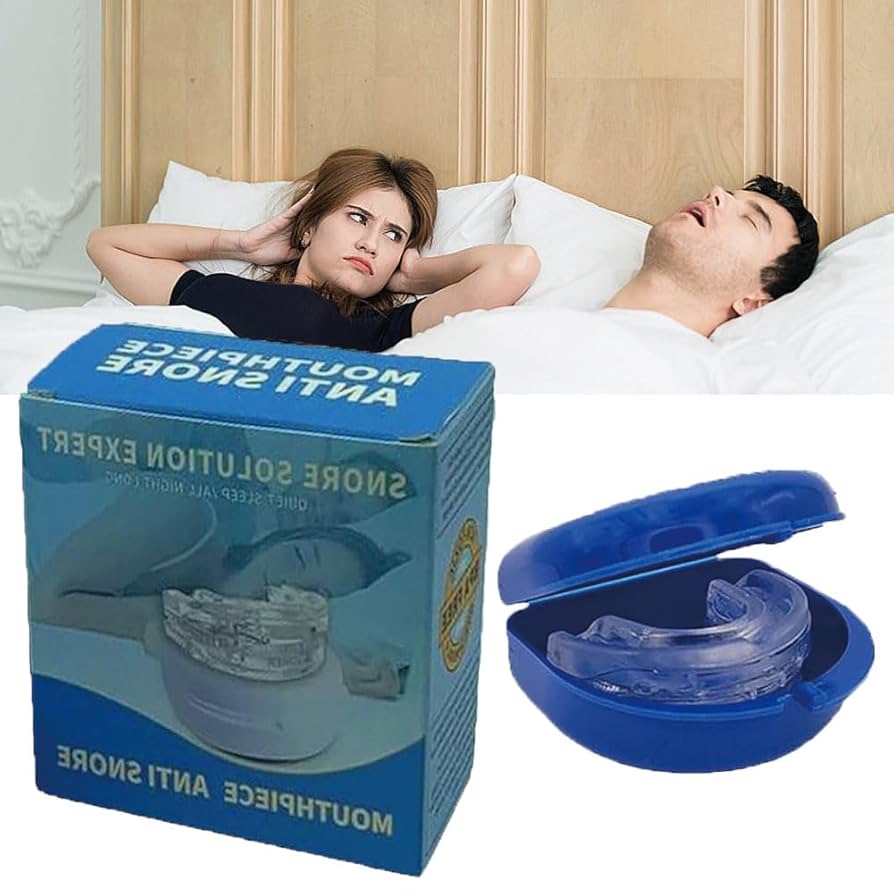
Snoring isn’t just an annoyance — it can be a relationship strain, a sleep disruptor, and sometimes a sign of deeper breathing problems. If you (or your partner) are tired of sleepless nights interrupted by rattling snores, an oral appliance like the SleepZee Anti-Snoring Mouthpiece is one of the simplest, non-invasive options to try. This article explains how mandibular advancement devices work, what to expect from SleepZee specifically, how to use and care for it, who will benefit most, common pros and cons, and smart tips for getting the best results.
Why snoring happens (short primer)
Snoring is the sound of tissue in the upper airway vibrating as air passes during sleep. Common contributors include:
- Relaxed throat muscles during deep sleep, which let soft tissue collapse into the airway.
- Tongue falling back toward the throat (common in supine — back — sleeping).
- Nasal resistance from congestion or deviated septum forcing more oral breathing.
- Excess weight in the neck area narrowing the airway.
- Alcohol or sedatives that relax airway muscles.
- Structural differences like enlarged tonsils, a long soft palate, or smaller jaw/retrognathia.
For people without severe obstructive sleep apnea, removing the tongue from the back of the throat or advancing the lower jaw slightly often reduces airway vibration and significantly lowers snoring.
What is the SleepZee Anti-Snoring Mouthpiece?
The SleepZee mouthpiece is a type of mandibular advancement device (MAD) — a small, dental-style appliance worn over the teeth during sleep that gently holds the lower jaw (mandible) slightly forward. By repositioning the jaw, it increases the space behind the tongue and reduces the collapsibility of soft tissues, which can reduce or eliminate snoring for many users.
SleepZee is designed for home use, typically with a boil-and-bite fitting process, and aims to balance comfort, effective advancement, and easy maintenance. It’s marketed to adults who snore habitually but don’t require CPAP therapy for diagnosed severe sleep apnea.
Key features and design highlights
While features can vary by model, typical SleepZee attributes include:
- Adjustable mandibular advancement — allows small forward settings so users can find a comfortable, effective position.
- Boil-and-bite fitting — thermoplastic material softens in hot water so you can mold the device to your teeth for a more secure, personalized fit.
- Dual-layer construction — a firmer inner structure for support and a softer outer layer for comfort and cushioning.
- Breath channels / open design — lets users breathe through the mouth if needed and reduces gag reflex for some people.
- Lightweight and compact — easy to travel with and store in a protective case.
- BPA-free, medical-grade materials — advertised to be safe for oral use (always confirm with product packaging).
How SleepZee works — simple mechanics
- Forward jaw positioning: The mouthpiece nudges the lower jaw forward by a few millimeters.
- Tongue displacement: As the jaw advances, the tongue is carried slightly forward, opening the space behind it.
- Widened airway: The enlarged posterior airway reduces airway resistance and soft-tissue vibration.
- Reduced snoring: Less vibration translates into quieter, less disruptive breathing sounds.
Most users notice a reduction in snoring intensity within a few nights; for best results, allow a short adaptation period and gradual adjustment.
Who should try SleepZee?
- Adults who snore frequently and seek a non-CPAP solution.
- Partners who want a low-cost, noninvasive measure before consulting a sleep specialist.
- People who snore primarily due to tongue-or jaw-related factors, not severe obstruction.
- Travelers who need a portable anti-snore option.
Important: If you suspect obstructive sleep apnea (OSA) — symptoms include prolonged gasping, choking during sleep, excessive daytime sleepiness, loud daily snoring with witnessed apneas, or high blood pressure — see a sleep physician. Oral appliances can help mild-to-moderate OSA, but medical evaluation is essential.
How to fit SleepZee (typical boil-and-bite instructions)
- Boil water and remove from heat. Let sit 20–30 seconds so it’s hot but not vigorously boiling.
- Dip the device into hot water for the time specified in the instructions (usually ~20–30 seconds) until pliable.
- Insert in mouth and bite gently, aligning front teeth, while pressing and molding around the molars with fingers.
- Hold position for the recommended time (usually 30–60 seconds) until the polymer cools and sets.
- Test fit and repeat if necessary to improve comfort; avoid overheating and follow manufacturer time limits.
Take time to get a comfortable fit. A well-molded device reduces jaw soreness and improves retention.
Tips for first nights & adjustment period
- Start gradually: Use the device for a few hours the first night, then increase to full-night use as comfort improves.
- Expect mild jaw soreness: A few days of mild discomfort are normal as muscles adapt.
- Adjust advancement slowly: If the device allows incremental forward settings, increase until snoring reduces without pain.
- Sleep position matters: Side sleeping often enhances results; consider positional aids if you’re a back sleeper.
- Hydrate and avoid heavy alcohol near bedtime during the adaptation period to reduce excessive muscle relaxation.
Maintenance & cleaning
- Rinse the mouthpiece under cool water after each use.
- Brush gently with a soft toothbrush and non-abrasive toothpaste or mild soap; avoid boiling repeatedly.
- Soak weekly in a denture or retainer cleaner to remove biofilm and odors.
- Store in the provided ventilated case to keep it dry and protected.
- Replace the device if cracks appear, deformation occurs, or after the recommended lifespan (manufacturer guidance).
Pros & cons — realistic expectations
Pros
- Non-invasive and drug-free.
- Portable and travel-friendly.
- Often inexpensive compared to dental-fitted appliances.
- Can dramatically reduce noise for many snorers.
- Easy to try at home (boil-and-bite models).
Cons
- Not a cure — effectiveness varies by cause and individual anatomy.
- Temporary side effects: jaw soreness, tooth discomfort, salivation changes.
- May alter bite slightly with long-term nightly use (rare but possible); periodic dental checkups recommended.
- Not appropriate for severe, untreated sleep apnea — medical evaluation required.
- Boil-and-bite fitting is less precise than custom dental appliances made by a dentist.
Frequently asked questions (FAQ)
Q: Will SleepZee cure my snoring?
A: It can significantly reduce or eliminate snoring for many users, especially where the tongue or lower jaw contributes to airway narrowing. Results vary, so give it a few weeks of proper use and adjustment.
Q: Can I use it with dentures or missing teeth?
A: Mouthpieces rely on stable teeth for retention. If you have dentures, bridges, or many missing teeth, consult a dentist before trying an over-the-counter MAD.
Q: Can it treat sleep apnea?
A: MADs can help mild-to-moderate OSA, but they are not first-line for severe OSA. If you have daytime sleepiness, witnessed pauses, or other OSA signs, get evaluated by a sleep specialist.
Q: How long does it last?
A: Lifespan depends on material quality and frequency of use; many boil-and-bite models last 6–18 months. Replace sooner if damaged.
When to see a professional
Make an appointment with a dentist experienced in sleep dentistry or a sleep physician if you experience:
- Persistent jaw pain beyond adaptation (more than 2 weeks).
- Increased tooth sensitivity or bite changes.
- Severe daytime sleepiness or witnessed apneas.
- High blood pressure or other risk factors for OSA.
A dentist can provide a custom appliance that may be more comfortable and effective long-term.
Final thoughts & practical verdict
The SleepZee Anti-Snoring Mouthpiece is a practical, low-effort option for many habitual snorers who want to try an at-home remedy before pursuing more advanced medical routes. It leverages the well-established principle of mandibular advancement: small adjustments to jaw position often produce outsized improvements in airway patency and snore volume.
If you’re weighing options, SleepZee is attractive for its ease of use, affordability, and portability. Give it a fair trial — allow time for fitting and adaptation, follow cleaning instructions, and track results (a smartphone recording app can make progress obvious). If snoring improves and daytime function is good, you may have a simple, long-term solution. If symptoms persist or you notice breathing pauses or excessive daytime sleepiness, prioritize a medical evaluation to rule out obstructive sleep apnea.
If you want, I can now:
- Turn this article into a Facebook post or product landing page (shorter + punchier),
- Create 5 social media captions and 10 hashtags to promote SleepZee, or
- Draft a short how-to infographic script for the boil-and-bite fitting.